Top 10 Hospitals in the USA for Cancer Treatment
Choosing the right hospital for cancer treatment is one of the most important decisions a patient and family can make. Outcomes often depend not only on the type and stage of cancer but also on the experience of the medical team, access to advanced therapies, clinical trials, and overall quality of care.
Every year, *U.S. News & World Report* ranks the best hospitals for cancer care in the United States. These rankings consider patient outcomes, reputation among specialists, advanced technologies, nursing quality, and other key factors. Based on the latest available rankings for 2026–2027, here are the top hospitals recognized for cancer treatment in the USA.
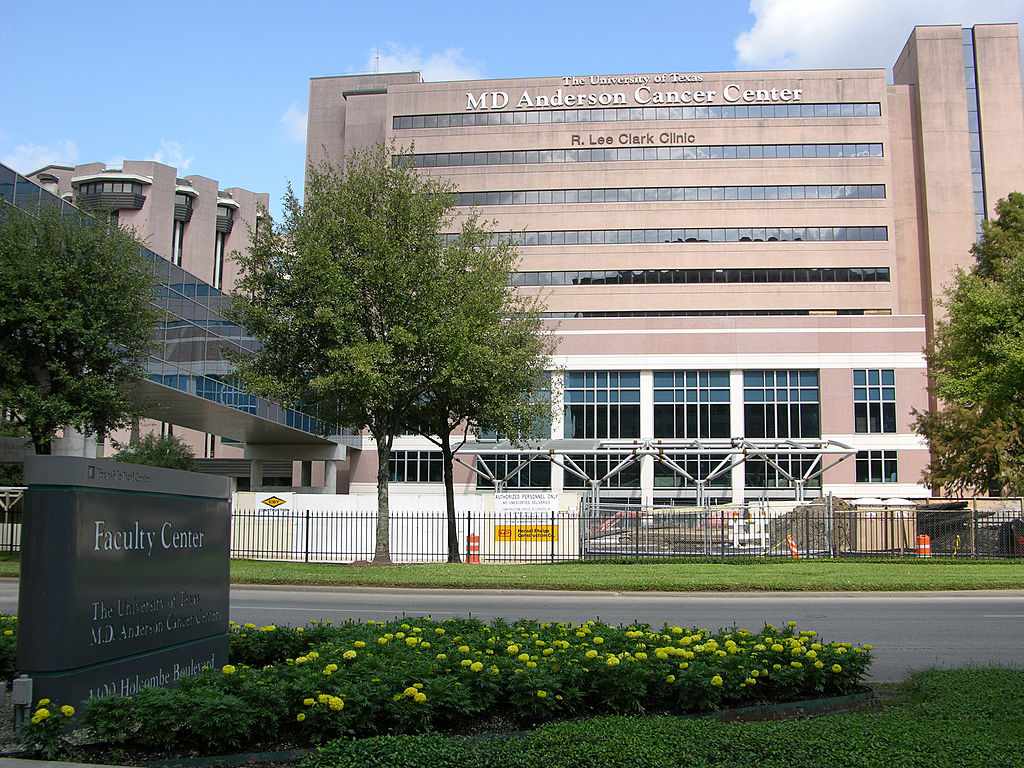
1. The University of Texas MD Anderson Cancer Center (Houston, Texas)
MD Anderson continues to hold the number one position and has remained at or near the top for many years. It is one of the most respected cancer centers in the world and treats a very high volume of patients with complex and rare cancers. The center is known for strong research programs, advanced treatment options, and multidisciplinary care teams. Patients from across the United States and other countries travel here for specialized cancer care.
2. Memorial Sloan Kettering Cancer Center (New York City, New York)
Memorial Sloan Kettering (MSK) is consistently ranked among the top two cancer hospitals in the country. It is especially well known for its expertise across many cancer types, strong research output, and highly specialized surgical and medical oncology teams. MSK is a major destination for patients seeking advanced treatment options and clinical trials.
3. Dana-Farber Brigham Cancer Center (Boston, Massachusetts)
This center combines the strengths of Dana-Farber Cancer Institute and Brigham and Women’s Hospital. It is highly regarded for both adult and pediatric cancer care and is known for excellence in research-driven treatment. Patients benefit from close collaboration between clinicians and researchers, which helps bring new therapies into clinical practice.
4. Mayo Clinic (Rochester, Minnesota)
Mayo Clinic is widely respected not only for cancer care but for overall medical excellence. Its cancer program is known for coordinated, team-based treatment and a strong focus on patient experience. Mayo Clinic attracts patients from around the world and is recognized for high-quality outcomes across many specialties.
5. Massachusetts General Hospital (Boston, Massachusetts)
Massachusetts General Hospital (MGH) is another leading Boston institution with a strong cancer program. It offers comprehensive care supported by advanced research and a large academic medical environment. MGH is frequently recognized for excellence in multiple specialties, including oncology.
6. Johns Hopkins Hospital (Baltimore, Maryland)
Johns Hopkins has a long-standing reputation for medical innovation and research. Its cancer center provides advanced treatment options and is known for expertise in complex cases. The hospital’s academic environment supports continuous development of new approaches to cancer care.
7. Hospital of the University of Pennsylvania (Philadelphia, Pennsylvania)
The Hospital of the University of Pennsylvania, often associated with Penn Medicine and the Abramson Cancer Center, is recognized for strong cancer programs and research. It offers specialized care across a wide range of cancers and benefits from close ties to academic and clinical research.
8. Northwestern Medicine-Northwestern Memorial Hospital (Chicago, Illinois)
Northwestern Memorial Hospital has strengthened its position in recent rankings and is recognized for high-quality cancer care in the Midwest. It offers comprehensive oncology services and access to advanced treatments through its academic medical network.
9. Stanford Health Care-Stanford Hospital (Palo Alto, California)
Stanford is known for combining clinical care with cutting-edge research and technology. Its cancer program benefits from strong academic resources and innovation in treatment approaches. Patients seeking advanced options often consider Stanford for complex cancer care.
10. Mount Sinai Hospital (New York City) and UCSF Health-UCSF Medical Center (San Francisco)
In the latest rankings, Mount Sinai Hospital in New York and UCSF Medical Center in San Francisco are closely matched near the top ten. Both are major academic medical centers with strong cancer programs, research activity, and specialized expertise across multiple oncology areas.
What Makes These Hospitals Stand Out
The hospitals on this list generally share several important strengths:
– High patient volumes for complex cancers
– Access to clinical trials and new therapies
– Multidisciplinary teams of specialists
– Strong research and academic programs
– Advanced diagnostic and treatment technologies
Many are also designated as National Cancer Institute (NCI) Comprehensive Cancer Centers, which reflects high standards in research, treatment, and education.
Important Points for Patients and Families
Rankings are useful, but they should not be the only factor in choosing care. The best hospital for one patient may not be the best for another. Important considerations include:
– The specific type and stage of cancer
– Experience of the treatment team in that cancer type
– Location and ability to travel
– Insurance coverage and cost
– Availability of clinical trials
– Second-opinion opportunities
Patients are often encouraged to seek care at a center with deep experience in their particular cancer and to consider second opinions when facing complex treatment decisions.
Final Thoughts
The top cancer hospitals in the United States represent some of the most advanced oncology care available anywhere in the world. MD Anderson, Memorial Sloan Kettering, Dana-Farber Brigham, Mayo Clinic, and the other centers listed here continue to lead in treatment quality, research, and patient outcomes.
For anyone facing a cancer diagnosis, researching experienced centers, understanding treatment options, and working closely with qualified specialists remains essential. Rankings provide a helpful starting point, but personalized medical advice from oncology professionals should guide the final decision.